Europe & UK
Estonia, Latvia & Lithuania — medieval to modern
The three Baltic nations of Estonia, Latvia and Lithuania have emerged from the shadow of their USSR past to be among the most popular tourist destinations in Europe today. Once shrouded in mystery, these countries are now open for the world to explore.
Though the Baltics comprise three countries, organising the perfect itinerary can take a little bit of planning. Many visitors to this incredible region plan to visit only the capital cities of Tallinn, Riga and Vilnius, which would be a huge mistake. Whilst these three capitals are lovely, vibrant and diverse, visitors should not miss the smaller cities and country towns. There is so much more to see and experience in the Baltics that you really should make some time to plan your best route.
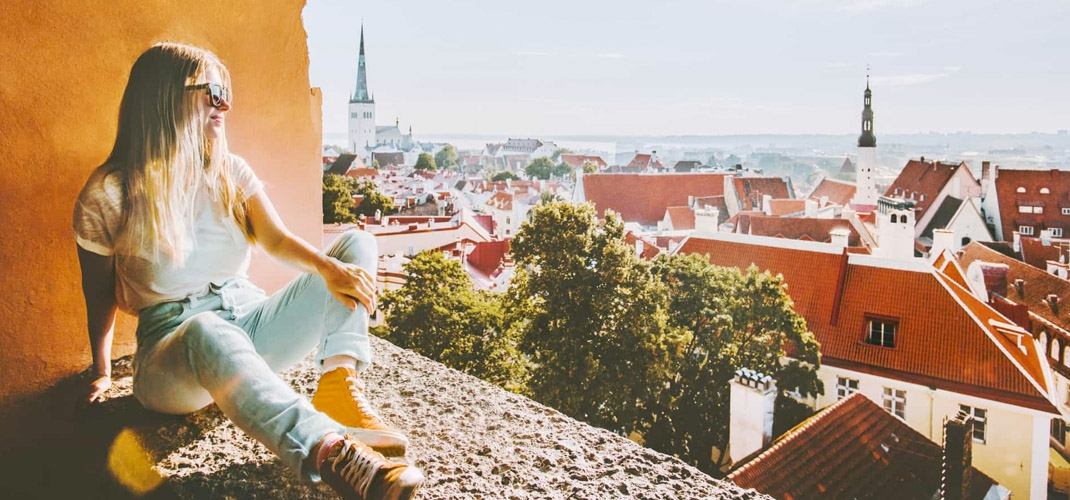
Tallinn, Estonia, is the most northerly capital of them all, boasting both Germanic and Scandinavian influences, as well as an onion-domed Russian Orthodox cathedral that will take your breath away, and a beautifully compact medieval Old Town, built on a hill from which you can look out over the Baltic Sea and to Finland beyond. One of Europe’s most enchanting cities, Tallinn offers a wonderful mix of medieval and modern, ensuring that you’ll find plenty of distractions to fill your itinerary, especially in the World Heritage-listed Old Town.
Beyond Tallinn, Estonia has a lot to offer, so why not visit the summer capital of Pärnu, where you will find some of the most luxurious spa resorts? Those more interested in nature should bring their binoculars to one of the world’s best birdwatching destinations, Matsalu National Park. Fitness fanatics will also find some of the nicest cycle paths, including the beautiful Narva River Promenade. If the mainland hasn’t attracted you already, then why not come and visit one of the 2,355 islands that sit off the coastline?
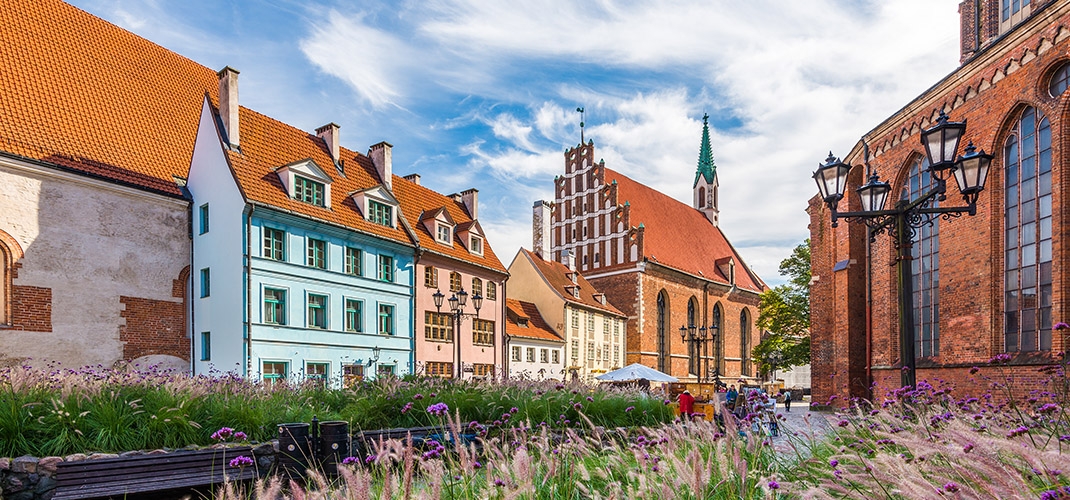
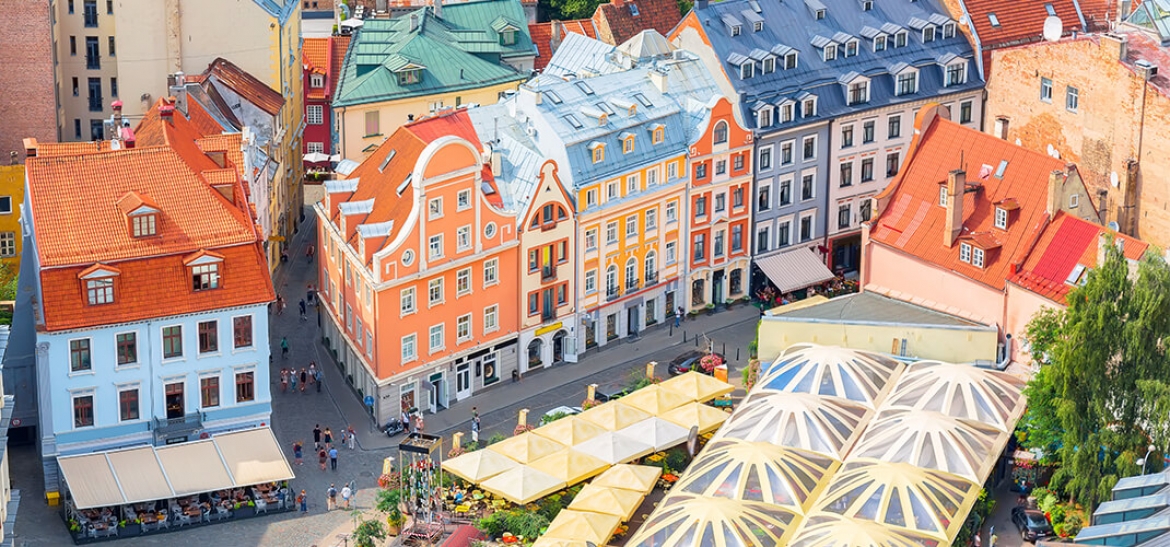
Riga, the capital of Latvia, is the gem of the Baltics. This charming city will stir you with its Germanic-looking spires and steeples and some of the best examples of Art Nouveau architecture in the world, which also led UNESCO to make it a World Heritage Site. Located on the Baltic Sea at the mouth of the River Daugava, this multicultural city is rich in ancient history and cultural heritage.
It is not difficult to see why the Latvian locals have so many legends about Sigulda. For one, the hills around the town are topped with the keeps, bulwarks and crumbling crenellations of Turaida Castle. Then there are the misty woodlands and groves of the Gauja Valley, a veritable jewel of the nation’s backcountry that is crisscrossed by twisting rivers and hiking trails and sprinkled with caves and undulating hills. Sigulda itself flourishes with cherry trees and pretty, regal architecture, and offers the opportunity for Nordic walking or skiing in the wintertime. Latvia is a place of surprises, with Jurmala the place to go during the warmer months, stretching nearly 30 km along the Gulf of Riga.
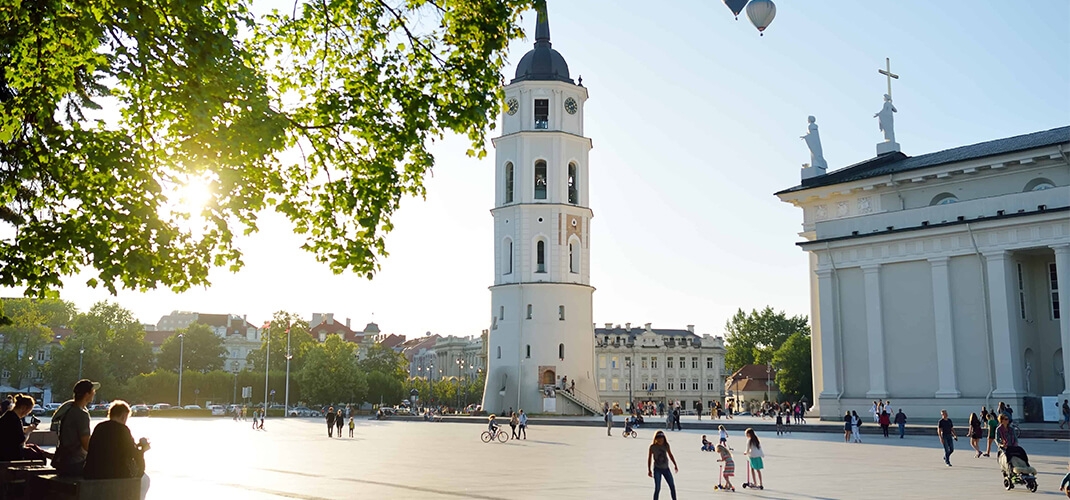
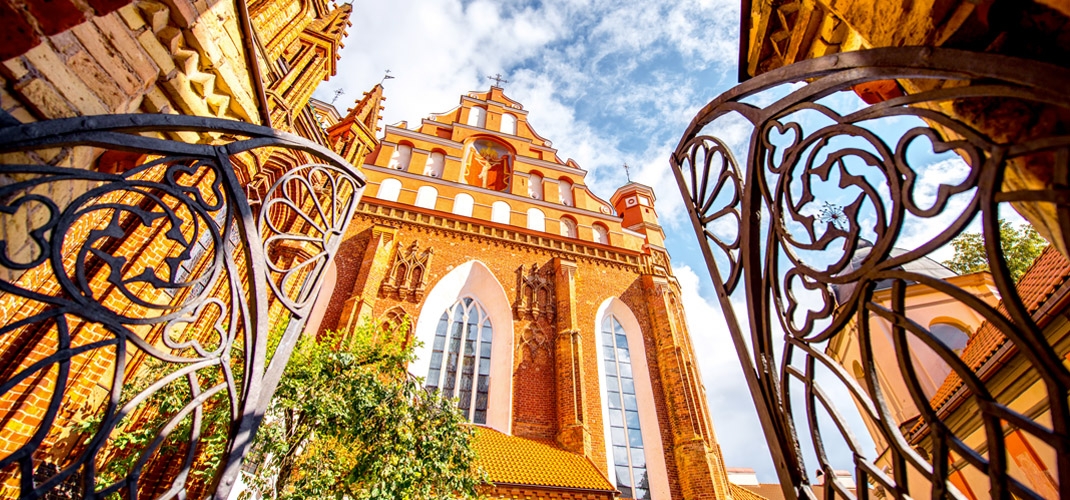
Not to be outdone, Lithuania’s capital, Vilnius, will seduce you with its magnificent Baroque and Gothic churches, rolling green hills, splendid Old Town charm and cobbled streets. Even UNESCO was bewitched by Europe’s largest Baroque old town, so much so that it made it a World Heritage Site.
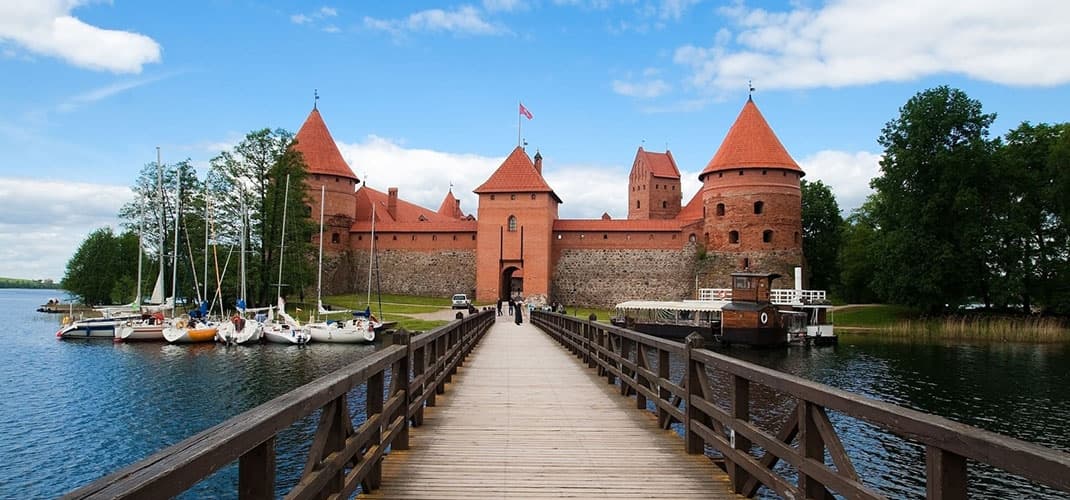
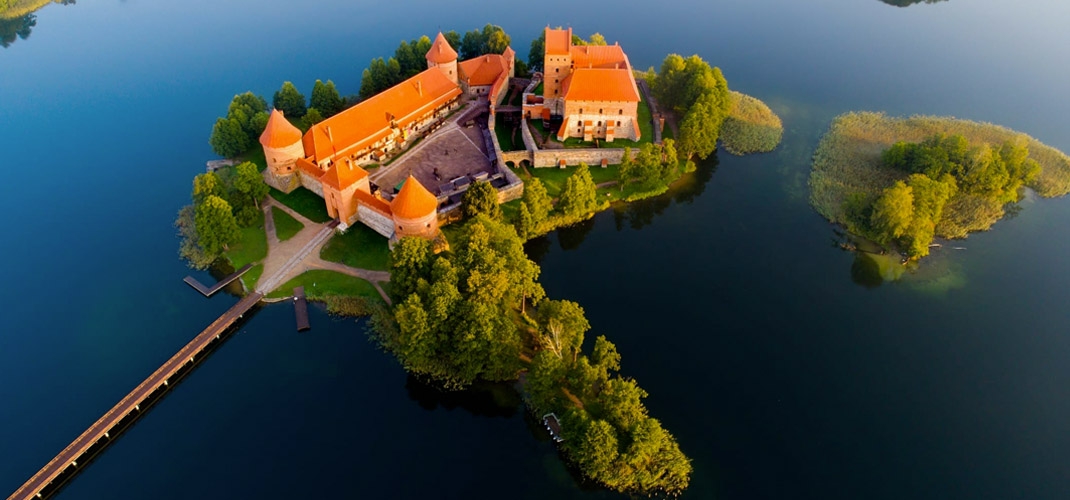
One of the most impressive places to visit when in Lithuania would have to be Trakai Castle, set amid a fanciful scattering of islets and shimmering waters. Many visitors come to see this Lord of the Rings-style castle at the heart of Trakai Historical National Park, its red-brick keeps and turrets mirrored perfectly in the lake waters that surround it. Lithuania’s 2nd largest city, Kaunas, sits where the Nemunas and Neris rivers meet, right in the centre of the country, while Klaipeda was once one of the strongholds of Teutonic rule in the Baltic, later becoming a thriving port and trading town of the Duchy of Prussia and then the northernmost city in the German Empire of the late 19th century. When visiting Siauliai, most come in search of the legendary Hill of Crosses, which rises in a haunting array of crucifixes and effigies of Christ to the north of the town proper. The town itself has many pretty tree-lined streets and a buzzing café culture.
May–September
Start Planning Today
Our European travel specialists are ready to design the perfect itinerary for you: whether it's your first time or your fifteenth.
Mon–Fri 09:00am–17:00pm AEST · No obligation · Free expert advice

Riga
Vilnius, Riga, Tallinn
Vilnius, Riga, Tallinn
Warsaw, Vilnius, Riga, Tallinn
Vilnius, Kaunas, Nida, Liepāja, Riga, Tallinn

Riga, Tallinn, Helsinki, Lappeenranta, Helsinki
Vilnius, Riga, Tallinn, Helsinki
Riga, Tallinn, Helsinki, Stockholm
Riga, Tallinn, Tartu, Graši, Svente, Daugavpils, Vilnius
Kraków, Warsaw, Vilnius, Riga, Tallinn
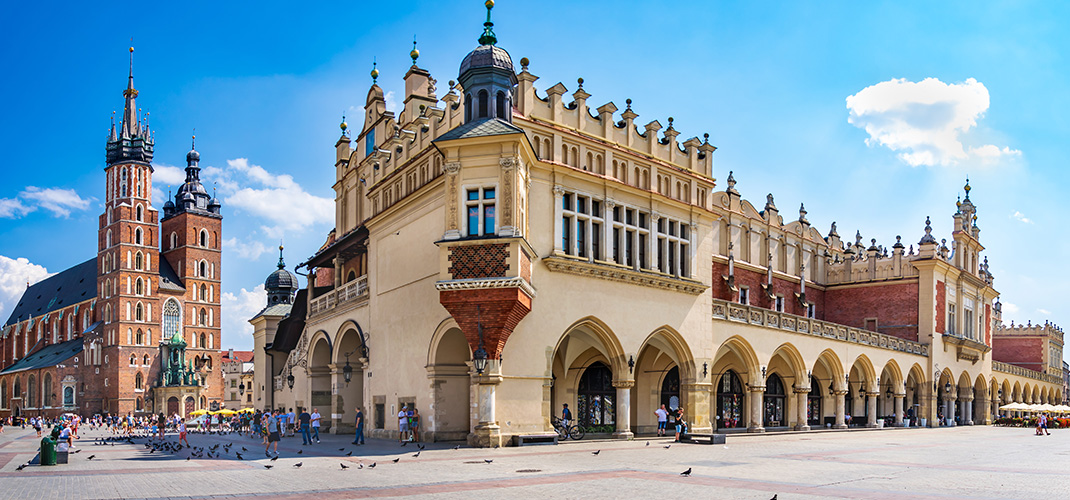
Kraków, Warsaw, Białystok, Vilnius, Riga, Tallinn
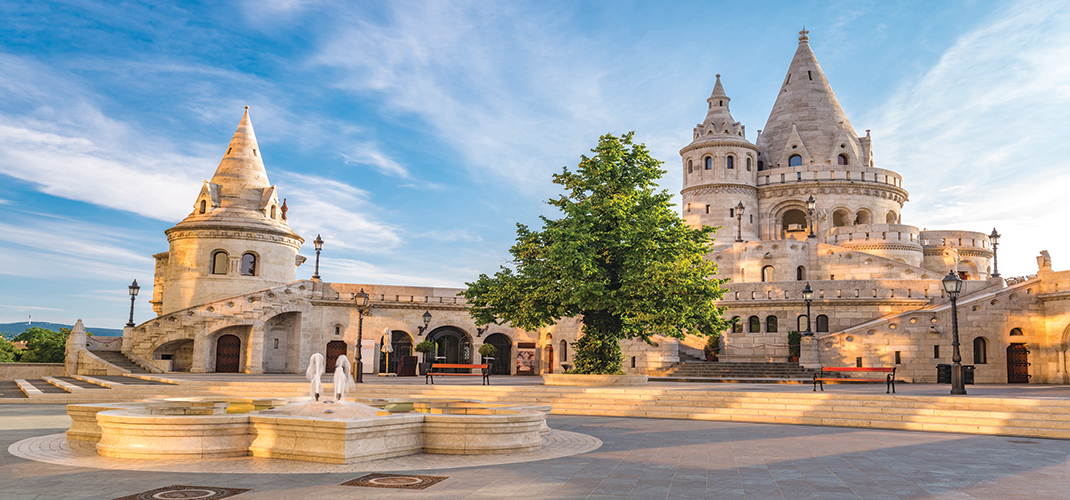
Budapest, Kraków, Warsaw, Vilnius, Riga, Tallinn
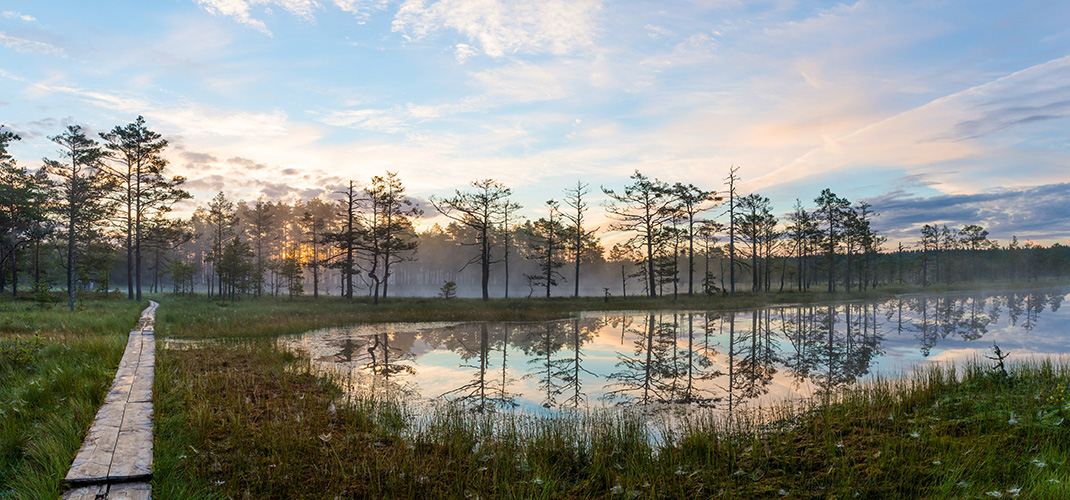
Tallinn, Tartu, Alūksne, Stāmeriena, Graši, Aglona, Svente, Daugavpils, Vilnius, Kaunas, Nida, Liepāja, Riga
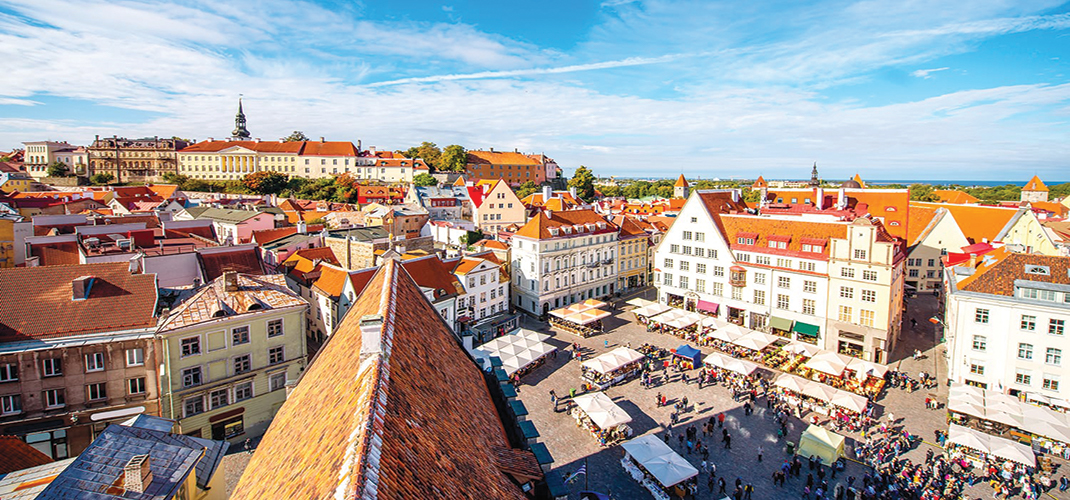
Vilnius, Pavilniai, Užupis, Trakai, Klaipeda, Giruliai, Nida, Klaipeda, Riga, Sigulda, Krimulda, Turaida, Tallinn, Käsmu, Tallinn
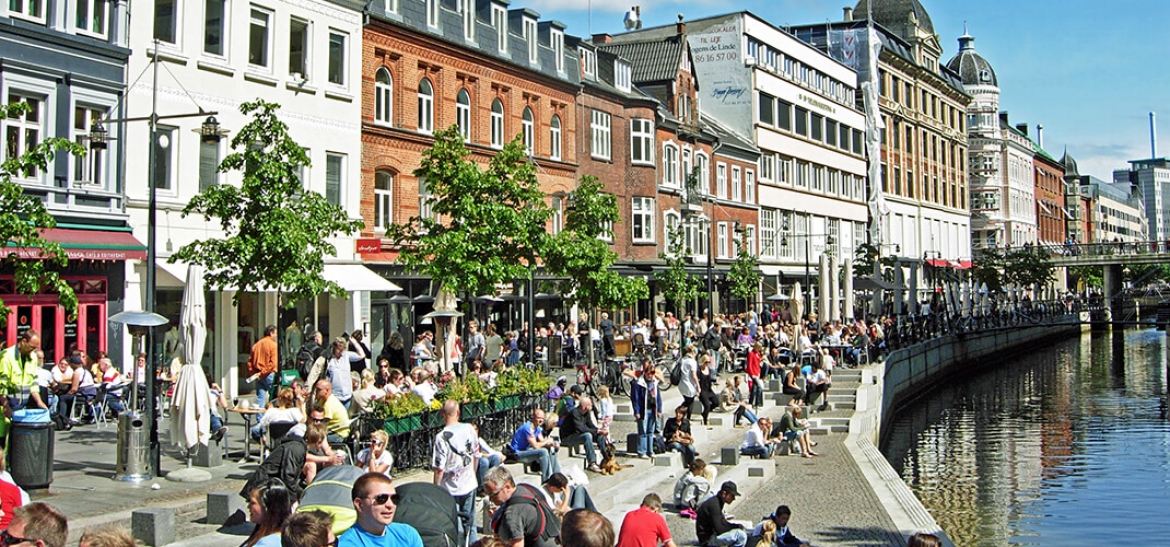
Copenhagen, Aarhus, Stavanger, Bergen, Balestrand, Flåm, Oslo, Karlstad, Stockholm, Helsinki, Tallinn, Riga, Vilnius
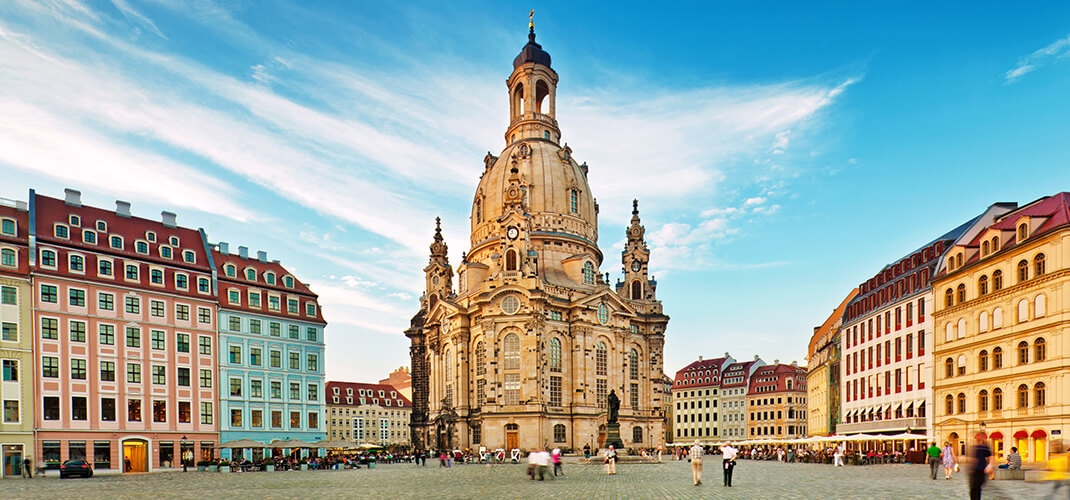
Berlin, Dresden, Prague, Vienna, Budapest, Kraków, Warsaw, Vilnius, Riga, Tallinn